
You’ve been there.
Sitting at a holiday table while your cousin serves something you’ve never seen before (and) your grandma scolds you for not trying it.
Or worse: you bring your own dish to a family meal and get side-eye for “not eating real food.”
That tension isn’t about taste. It’s not even about health.
It’s about culture.
And most people miss that completely.
They call it “preference.” Or “habit.” Or blame it on “laziness” or “ignorance.”
Nope.
Food choices run deeper than that.
Language shapes what we name (and) therefore what we see as edible.
Religion sets boundaries no nutrition label ever could.
Migration history explains why your abuela still cooks rice the way she did in 1952 (even) though no one else in your family remembers why.
Gender roles decide who cooks, who serves, who gets seconds.
Rituals turn meals into memory.
I’ve spent years doing cross-cultural nutrition work. Not in labs, but in kitchens, churches, community centers, and backyard cookouts across six countries.
This article answers exactly how those forces shape daily decisions. Not just what people eat (but) How Culture Affects Food Choices Roarcultable.
You’ll walk away knowing why certain foods stick (and) why telling someone to “just eat better” fails every time.
No theory. Just real patterns. Real people.
Real meals.
Religion and Ritual: When Food Becomes Sacred Practice
Food isn’t just fuel. It’s memory. It’s belonging.
I’ve watched my aunt press dates into her palm before sunrise during Ramadan. Not because she’s hungry, but because the Prophet did it. That’s suhoor.
Not breakfast. A covenant.
Then at sunset: the first sip of water. Then a date. Then soup.
Then the main meal. Shared, loud, crowded. No protein-first logic here.
This sequence isn’t about digestion. It’s about return. About rejoining your people after hours of quiet discipline.
Halal isn’t just “no pork.”
Kosher isn’t just “no shellfish.”
Vegetarianism in Hindu or Buddhist practice isn’t just “no meat.”
These are identity markers. You wear them in every bite.
A 2023 study found 78% of observant Muslim adults choose halal-certified food over organic (even) when price and taste are equal. That tells you something. It’s not about health labels.
It’s about trust in a system older than nutrition science.
Secular advice says “eat protein first.”
Sacred practice says “break fast with sweetness, then warmth, then substance.”
One tracks blood sugar. The other tracks lineage.
This is why Roarcultable matters.
It shows how culture shapes what goes on your plate (long) before any dietitian weighs in.
How Culture Affects Food Choices Roarcultable isn’t theoretical. It’s your grandmother’s hands kneading dough while reciting prayers. It’s the pause before the first bite.
It’s the reason you still reach for that spice blend (even) when no one’s watching.
Migration, Memory, and the ‘Taste of Home’ Effect
I’ve watched my cousin grind dried ancho chiles by hand for mole (then) swap in New Mexico Hatch chiles when she couldn’t find them. Same depth. Same warmth.
Different soil.
That’s not compromise. That’s resistance.
Foodways hold ground when everything else shifts. Mexican-American families use local chiles. West African cooks stir frozen spinach into okra stews in Minnesota winters.
The dish changes (but) the intention doesn’t.
You know why that works? Smell and taste hit your hippocampus and amygdala first. Not your cortex.
Not your to-do list. Your brain locks that meal to safety. To abuela’s voice.
To the sound of her wooden spoon hitting the pot.
Which brings us to the real tension: authenticity vs. survival.
My niece uses store-bought plantain chips. She doesn’t fry fresh ones. Does that erase tradition?
No. It keeps it alive (in) her dorm room, on her lunch break, in her budget.
She’s not diluting culture. She’s carrying it.
How Culture Affects Food Choices Roarcultable isn’t about rigid rules. It’s about what stays constant beneath the surface.
Some meals don’t feed your stomach first. They quiet the nervous system.
That rice isn’t about calories.
It’s about continuity.
It’s about showing up. Even when you’re tired, even when you’re far, even when the ingredients aren’t perfect.
That’s how memory migrates.
That’s how home travels.
Who Puts Dinner on the Table (and) Why It Matters
I cook for my elders. My brother grills for parties. That’s not random.
It’s how gendered labor shapes what’s in the pot, how much gets served, and whether the meal has three courses or one big rice bowl.
Women often handle daily cooking. Men step in for spectacle meals. So you get lentils cooked slow all day.
Not grilled steak at 7 p.m. on a Tuesday. (Yes, even when the woman works full-time.)
Filipino households plan meals by group vote. Everyone weighs in. UK teens pick halal snacks alone (no) family council needed.
One says we eat together, the other says I eat what fits me.
Economic pressure doesn’t erase culture. It bends it. “Feeding guests well” means buying 10 kg of rice. Even if rent is due Friday.
WhatsApp groups pass down recipes faster than any cookbook. TikTok duets show grandma stirring while teen adds chili oil (no) translation needed.
Gendered food labor isn’t just about who washes the dishes. It decides what shows up on the plate. And who gets to say it’s enough.
How Culture Affects Food Choices Roarcultable is real. Not abstract. It’s in your aunt’s insistence on extra rice, your cousin skipping dessert, your mom texting five versions of adobo before Sunday lunch.
Why Culture Matters hits the same nerve (but) in boardrooms, not kitchens.
You already know this. You live it.
Language, Labels, and the Hidden Power of Food Terminology
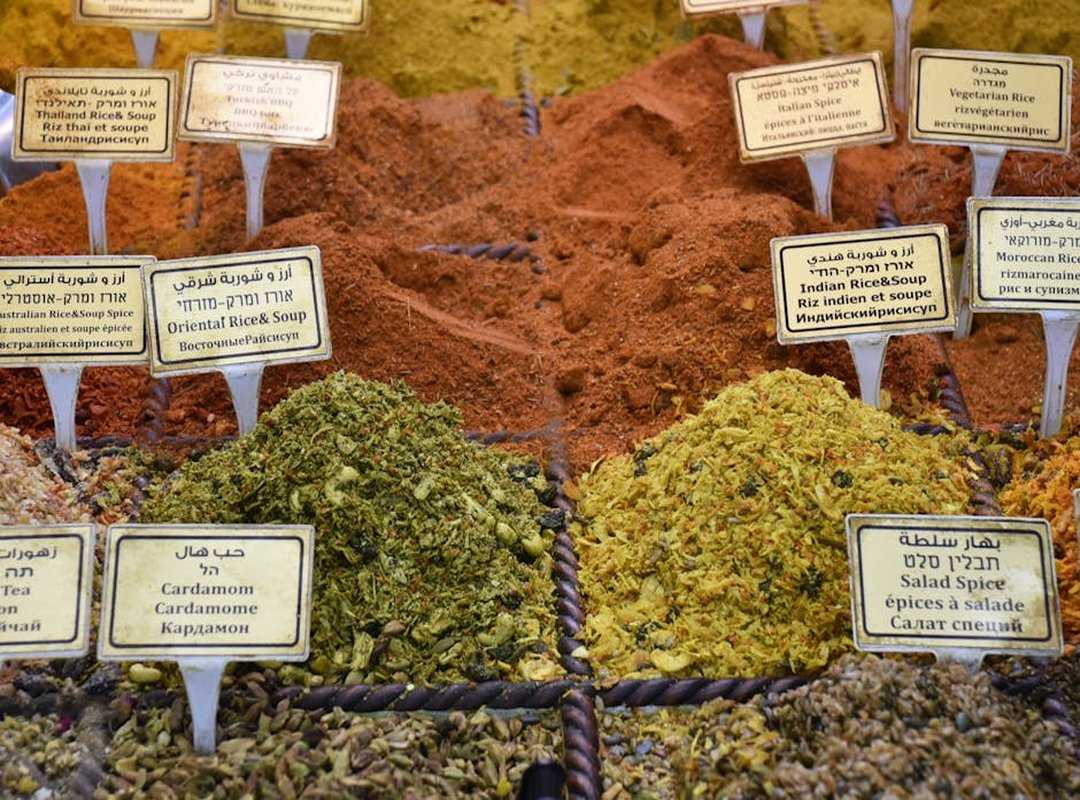
I used to call it “savory” until I tasted real umami (rich,) deep, mouth-coating. Not salty. Not meaty.
Just there. English doesn’t have a word for it. So we borrow.
And that borrowing isn’t neutral.
Labels erase context. Calling a West African stew “spicy” flattens it. Heat there isn’t about thrill (it’s) about digestion, circulation, balance. “Warm” or “deeply seasoned” gets closer.
But most menus don’t bother.
You ever notice how “lunch” feels rushed but “almuerzo” carries weight? Time, family, pause. Bilingual households don’t just swap words (they) shift worlds.
One syllable flips the whole frame.
Ask “What does this dish mean at your table?” instead of “Do you like it?”
That question lands differently. It opens doors.
Marketing fails when it treats translation as substitution. It’s not. It’s interpretation (layered,) cultural, lived.
This is why How Culture Affects Food Choices Roarcultable isn’t academic jargon. It’s lunch with your abuela. It’s the pause before the first bite.
It’s the word you reach for. And the one that won’t come.
(Pro tip: When in doubt, shut up and listen. The meaning’s in the silence between bites.)
“Ethnic Food” Is a Lazy Label
I refuse to call anything “Asian food.”
It’s like calling all European cooking “white food.” (Which, by the way, no one does.)
Vietnam uses fermented fish sauce. Nigeria uses dried shrimp paste. Sweden uses smoked herring.
Same funk. Different soil. Zero shared origin.
Tomatoes didn’t start in India. Chiles weren’t born in Korea. Cassava wasn’t native to West Africa.
Colonial trade dumped them there. And people made them home. That’s not appropriation.
That’s survival.
Food is never static folklore.
It’s contested. It’s rewritten daily (in) school cafeterias serving plantains alongside pizza, in hospital menus finally listing halal options, in grocery aisles where yuca sits next to quinoa.
Indigenous chefs aren’t “foraging.” They’re practicing sovereignty. That word matters. It’s not a trend.
It’s a reclamation.
How Culture Affects Food Choices Roarcultable isn’t about nostalgia. It’s about power. Who decides what’s “authentic”?
Who profits when it gets watered down?
You’ve seen the menu: “Mexican” as one line. But Oaxaca ≠ Jalisco ≠ Sonora. Same language.
Different dialects. Different chiles. Different histories.
Roarcultable Latest Crypto Trends From Riproar? Sure. But first.
Question every label that flattens a whole continent into one aisle.
Start With One Meal
Dietary advice fails when it ignores culture.
I’ve seen it (the) shame, the guilt, the meals abandoned halfway through.
You’re not broken. Your food choices aren’t wrong. They’re loaded (with) memory, with love, with who raised you.
How Culture Affects Food Choices Roarcultable isn’t theory. It’s why your abuela’s rice tastes like safety. Why your dad’s grilling ritual feels like home.
So this week (pick) one meal. Just one. Ask: Who taught me to make this?
What story does it hold? What would change if I shifted one ingredient (and) why?
That’s where real change starts. Not with restriction. With recognition.
Food doesn’t just fuel the body (it) carries the grammar of who we are.
Your turn. Pick the meal. Ask the questions.
Start there.
 Senior Sports Writer
Alfred Alder is the senior sports writer at Sprint Scoop News, bringing his extensive knowledge of fitness, training, and sports business to the forefront. With a career spanning more than a decade, Alfred specializes in delivering high-quality, engaging content that covers everything from sponsorship trends to the latest in health and nutrition for athletes. His deep understanding of the sports industry allows him to provide readers with comprehensive insights that make complex topics accessible and exciting.
Senior Sports Writer
Alfred Alder is the senior sports writer at Sprint Scoop News, bringing his extensive knowledge of fitness, training, and sports business to the forefront. With a career spanning more than a decade, Alfred specializes in delivering high-quality, engaging content that covers everything from sponsorship trends to the latest in health and nutrition for athletes. His deep understanding of the sports industry allows him to provide readers with comprehensive insights that make complex topics accessible and exciting.