
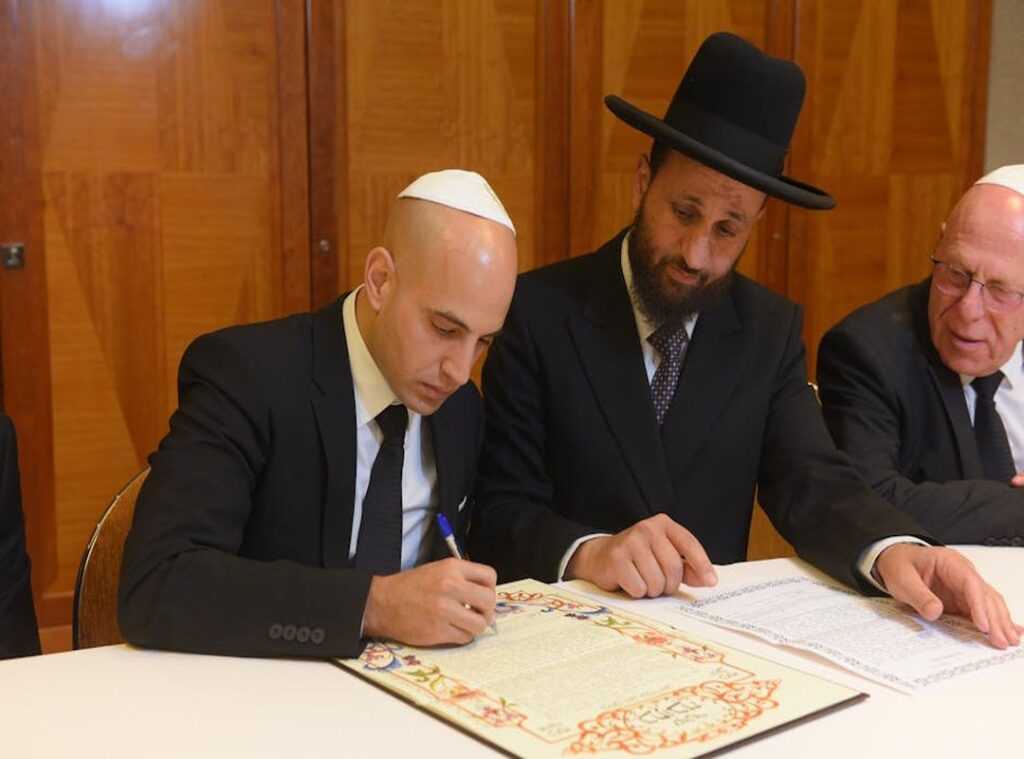
The head of a prestigious prize committee, Miriam Haran, is in a public standoff with the office of Benjamin Netanyahu. Netanyahu allegedly tried to personally intervene and block an Israel Prize from being awarded to a prominent tech entrepreneur. The Israel Prize is a big deal—it’s the country’s highest honor.
This clash isn’t just about one award; it’s a reflection of the broader political tensions in Israel. Institutional integrity is up against political power. I’ll break down who the key players are, what sparked the controversy, and what it means for the nation.
Who is Miriam Haran? The Committee Chair Who Refused to Bend
I first met Miriam Haran at a science conference in Jerusalem. Her sharp intellect and unwavering commitment to academic integrity were evident from the start.
Haran is a well-respected scientist with a long career in academia. She’s also served in various government roles, always pushing for transparency and ethical standards.
In 2024, she took on the role of chairperson for the Israel Prize committee for entrepreneurship and technological innovation. It’s a position that demands both expertise and impartiality.
Recently, Haran faced intense political pressure. Some wanted her to reconsider the committee’s unanimous choice for the prize. But she stood firm, refusing to bend to external influences.
“I will not compromise the integrity and independence of the prize selection process,” Haran stated. Her words echoed through the halls of power, a clear stand against any attempts to undermine the committee’s work.
Her decision to stand by the committee’s choice, even in the face of significant pressure, speaks volumes about her character. Benjamin Netanyahu Miriam Haran, a name now synonymous with principle and steadfastness.
In a world where public figures often waver, Haran’s resolve is a breath of fresh air. She reminds us all of the importance of standing up for what’s right, no matter the cost.
Netanyahu’s Alleged Intervention: The Accusations Explained
The recent allegations against Benjamin Netanyahu and his office are serious. They claim that he and his team tried to interfere with a prize decision.
Specifically, the accusations state that phone calls were made to committee members. The goal was to pressure them into reversing their initial decision. This kind of interference is not just unethical; it undermines the integrity of the entire process.
Why would Netanyahu do this? The recipient of the prize, Miriam Haran, has been openly critical of the government. It’s no secret that political leaders often don’t like public criticism.
In this case, the motivation seems clear: silence a critic.
This isn’t the first time Netanyahu has faced such accusations. There have been similar claims of political interference in other areas. Each time, it erodes public trust and casts a shadow over his leadership.
The Prime Minister’s Office, as expected, has denied these allegations. They say there was no interference and that the claims are baseless. It’s important to present both sides, but the pattern is hard to ignore.
What can we learn from this? When leaders try to silence critics, it only highlights the importance of transparency and accountability. We must stay vigilant and demand more from our elected officials.
The Recipient at the Heart of the Storm: Eyal Waldman

Eyal Waldman, the intended recipient of the prize, is a pivotal figure in Israel’s tech landscape. He’s the founder of Mellanox Technologies, a company that has made significant contributions to the global technology sector.
Waldman’s story is deeply personal and tragic. His daughter, Danielle, was murdered by Hamas terrorists at the Nova music festival on October 7th. This devastating event has fueled his activism and outspokenness.
He’s become a vocal critic of the Netanyahu government’s security failures leading up to the attack. Many see this as the primary reason for the political effort to deny him the prize.
Awarding the prize to Waldman would be a powerful symbol. It would recognize both Israel’s tech success and the profound national trauma of October 7th.
- It highlights the resilience and innovation of Israeli entrepreneurs.
- It underscores the deep impact of the tragedy on the nation.
- It sends a clear message about the importance of accountability and justice.
The benjamin netanyahu miriam haran administration’s stance on this issue has only added to the controversy. Despite the challenges, Waldman’s unwavering commitment to speaking out has inspired many.
discover why breakfast is the most important meal of the day for health and energy
National Outcry: The Political and Public Fallout
The news broke like a thunderclap, echoing through the bustling streets of Tel Aviv. You could feel the tension in the air, thick and palpable, as people huddled around their phones and TVs.
Opposition politicians were quick to condemn the Prime Minister’s actions. Their voices, sharp and urgent, filled the airwaves. How dare he? they asked, their outrage almost tangible.
Israel’s Attorney General stepped in, his words measured but firm. He made it clear that the Prime Minister had no legal authority to interfere with the committee’s decisions. The public breathed a collective sigh of relief, but the damage was done.
Critics framed the incident as an attack on democratic institutions and free speech. They argued that this was a dangerous precedent, one that threatened the very fabric of Israeli society. The sound of their arguments resonated deeply, stirring up a storm of public sentiment.
The controversy became a rallying point for anti-government sentiment. It dominated news cycles and public discourse. Everywhere you went, people were talking about it.
In cafes, on buses, and in parks, the conversation was the same: What does this mean for our democracy?
Benjamin Netanyahu Miriam Haran, once a name that inspired confidence, now faced a wave of criticism. The public’s trust, already fragile, began to erode further.
In the end, the prize was awarded as the committee intended. But the fallout from the standoff left a lasting impact. The taste of discontent lingered, a reminder of the power of public opinion and the importance of respecting democratic processes.
A Conflict Reflecting a Nation’s Deeper Divisions
Benjamin Netanyahu and Miriam Haran were at the center of a controversy that highlighted a clash between political power and institutional integrity. Haran, as a respected committee chair, stood firm against what was perceived as undue influence from the highest office. The dispute over the Israel Prize transcended a mere political disagreement; it embodied a symbolic struggle over the nation’s values.
In the aftermath of October 7th, the country was already dealing with profound grief, questions of accountability, and a deeply polarized political landscape. This incident underscores the persistent tensions between political leadership and civil society in modern Israel.
 Senior Sports Writer
Alfred Alder is the senior sports writer at Sprint Scoop News, bringing his extensive knowledge of fitness, training, and sports business to the forefront. With a career spanning more than a decade, Alfred specializes in delivering high-quality, engaging content that covers everything from sponsorship trends to the latest in health and nutrition for athletes. His deep understanding of the sports industry allows him to provide readers with comprehensive insights that make complex topics accessible and exciting.
Senior Sports Writer
Alfred Alder is the senior sports writer at Sprint Scoop News, bringing his extensive knowledge of fitness, training, and sports business to the forefront. With a career spanning more than a decade, Alfred specializes in delivering high-quality, engaging content that covers everything from sponsorship trends to the latest in health and nutrition for athletes. His deep understanding of the sports industry allows him to provide readers with comprehensive insights that make complex topics accessible and exciting.