
Why Cardio Still Reigns Supreme
Cardio has long been associated with weight loss but its benefits go far beyond shedding pounds. Whether you’re chasing better endurance, improved heart health, or a leaner physique, cardio remains one of the most effective tools in your fitness arsenal.
More Than Just Fat Burn
Cardiovascular exercise plays a critical role in maintaining overall wellness:
Improves heart health by strengthening your cardiovascular system
Boosts stamina and endurance, making daily tasks and workouts feel easier
Supports mental health by releasing mood stabilizing endorphins
Enhances recovery when done at a moderate intensity
Choose Your Method Wisely
Not all cardio methods deliver the same results. The best approach depends on your specific goals and lifestyle:
Aiming to burn fat? High intensity options like sprint intervals or jump rope may help you maximize calorie expenditure.
Want to build stamina? Steady state workouts such as swimming or cycling are great for long term endurance.
Short on time? HIIT (High Intensity Interval Training) can deliver major results in less than 30 minutes.
No matter your goal, selecting the right cardio type and making it work for your schedule can help you stay consistent and see real progress.
Sprint Intervals
Sprint intervals are as straightforward as they are brutal and that’s the point. Go hard for 15 to 30 seconds, rest for a bit, repeat. These short bursts of max effort jumpstart your metabolism and keep it elevated long after you stop. That means more fat burned in less time.
It also works to hold onto muscle, which tends to disappear with long, slow cardio. The intensity signals your body to stay strong while still cutting fat. If you’re tight on time but want results stacked fast, sprint intervals are your go to. They’re gritty, no frills, and they get the job done in 20 minutes or less.
Cycling (Stationary or Outdoor)
Cycling is one of those workouts that gives more than it takes. It’s low impact, so you’re not hammering your joints but it still packs a serious punch for strengthening the legs and building endurance. Whether you’re pedaling through hills outside or cranking the resistance on a spin bike, you’re training both your aerobic and anaerobic systems. That means you’ll build stamina and burn fat, no matter your pace.
The beauty of cycling is its flexibility. Beginners can start slow and steady, while seasoned athletes can push harder with sprints or hill climbs. Just dial the resistance or shift gears to meet your current fitness level. It’s scalable, simple, and effective. If you’re looking for a solid cardio option with long term payoff, cycling holds its ground.
Jump Rope
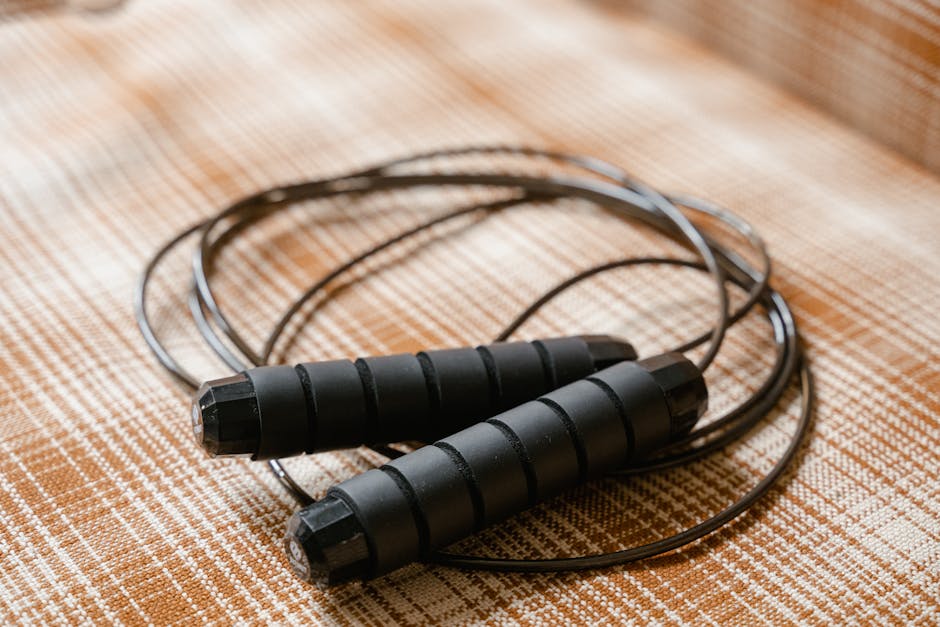
A deceptively simple tool, jump rope delivers one of the most effective and accessible cardio workouts available.
Why Jump Rope Works
High Calorie Burn: Few exercises torch fat as efficiently in such a short time frame.
Space Efficient: All you need is a rope and a small clear area perfect for home workouts or on the go fitness.
Added Athletic Benefits
Beyond fat loss, jump rope helps improve the way your body moves and reacts:
Enhances coordination, timing, and rhythm
Boosts agility and foot speed
Helps develop better balance and posture
Ways to Incorporate It
You can tailor your jump rope practice to match your fitness level and training goals:
Intervals: Do 30 seconds of jumping, followed by 30 seconds of rest. Repeat for 5 10 rounds.
Circuits: Insert short jump rope rounds between other exercises such as push ups, squats, or core work.
Endurance Sets: Go for longer steady paced rounds, gradually increasing time as stamina improves.
Whether used as a warm up or a full workout on its own, jump rope is a fast track to fat burn and cardiovascular fitness.
Rowing: Strength, Stamina, and Full Body Cardio

Rowing is more than just a back and forth motion on a machine it’s a powerful full body workout that delivers results in fat loss, stamina building, and muscular engagement.
Why Rowing Works
Rowing activates multiple muscle groups simultaneously while improving your cardiovascular fitness. From your legs to your core to your upper back, each stroke engages your body in a synchronized effort that promotes both endurance and strength.
Key benefits:
Full body engagement with every stroke
Strengthens the core, back, and legs without heavy impact
Combines resistance and cardio in one efficient format
Great for Stamina and Fat Burn
Whether you’re rowing steadily for endurance or performing high intensity intervals, you’ll torch calories and build serious cardiovascular capacity.
Try one of these formats:
Endurance row: 20 30 minutes at a moderate, consistent pace
Interval row: 1 minute high effort followed by 1 minute rest, repeated 6 10 rounds
Scalable and Joint Friendly
What makes rowing especially appealing is its accessibility:
Low impact on joints ideal for those recovering from injury or just starting out
Easily adjustable resistance to suit beginners and advanced fitness levels alike
Whether you’re looking to slim down, build stamina, or break out of a cardio rut, rowing offers a versatile and effective solution.
High Intensity Interval Training (HIIT)
HIIT isn’t new, but it still hits hard in 2024. It’s built on alternating short, intense bursts like sprints, jump squats, or burpees with periods of rest or low effort work. This structure keeps your body guessing and your heart rate up, making it one of the most time efficient ways to burn fat and boost cardiovascular fitness.
The perks? You get maximum return in minimum time. HIIT ramps up post workout calorie burn and spares muscle mass better than steady state cardio alone. It’s also easy to plug into almost any workout format bodyweight, dumbbells, machines, tracks. But it’s not all upside. Go too hard too often and burnout or injury can creep in.
Not sure if it’s right for you? Learn the key differences in recovery, fat burn, and sustainability with our breakdown on HIIT vs Steady State.
Steady State Cardio
Steady state cardio is the long game. It means locking into a moderate, consistent pace jogging, swimming laps, or going for a brisk walk and keeping it up for 30 minutes or more. No spikes, no crashes just steady effort that lets your body find a rhythm.
Why it works: this kind of cardio taps into fat stores without overloading your recovery system. It builds cardiovascular endurance, strengthens your aerobic base, and can improve stamina without burning you out. It’s low stress, sustainable, and it complements higher intensity training well.
It’s not flashy, but it’s effective. Perfect for active recovery days or when you just want to breathe, move, and sweat without going all out.
For a deeper comparison of intensity styles, check out HIIT vs Steady State.
Mix and Match for the Win
The best cardio routine isn’t just one thing it’s a mix. Switching up your workouts keeps your body guessing and prevents the dreaded plateau. Sprint intervals one day, steady state jogs the next. Row today, jump rope tomorrow. That variety not only builds different energy systems but also keeps things interesting. Boredom is a reason many people quit this solves that.
But here’s the key: don’t push through blindly. Tune in. Some days you’ll have energy to go hard; others you’ll be better off with a slower pace or active recovery. Your schedule changes. Life is chaotic. That’s normal. What matters most is sticking to movement that aligns with how you feel and where you’re going. Fat loss, stamina, or just staying sane it all works better when your training meets you where you are.