Start With the Basics
Before you set foot on a mat or pick up a dumbbell, know what you’re training for. Is it strength? Mobility? Endurance? All three? Be clear on that goal it’ll steer everything else. Someone training for endurance doesn’t need the same routine as someone chasing more muscle.
Next up: gear. You don’t need a full home gym. If you’ve got resistance bands, a pull up bar, or some adjustable dumbbells, great. If not, bodyweight alone can get you very far. Push ups, air squats, planks, and lunges still do the job, if you do them right. The key is using what you have, consistently.
And finally, space. A yoga mat’s length is enough. Don’t overthink it. Clear out a patch of floor. You don’t need mirrors, machines, or fancy lighting. Just enough room to move safely and sweat without stepping on yesterday’s laundry pile.
Simple setup. Clear goals. Now you’re ready to train.
Break It Into Movement Categories
Think less about muscle groups, more about how your body moves. A solid full body routine covers the four key patterns: push, pull, legs, and core. Balance these, and you build strength that actually translates into real life power and control.
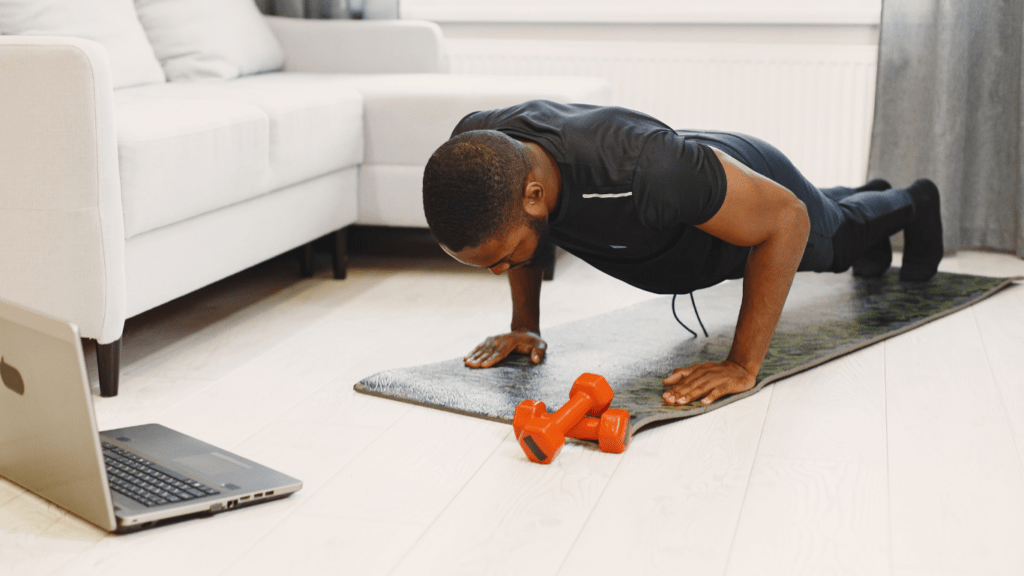
Start with push movements classic push ups, dips using a chair or countertop, and shoulder taps or pike push ups for the overhead pressing angle. These target chest, shoulders, and triceps while training your body to move as one piece.
Pull work is tougher without equipment, but still do able. Use bands, towels looped around door handles, or even a sturdy table for bodyweight rows. These moves hit your back, biceps, and postural muscles important for balance and injury prevention.
Legs are your foundation. Bodyweight squats and lunges get the job done add pulses or holds to ramp up difficulty. Glute bridges on the floor hit hamstrings and glutes, crucial for hip health and lower back support.
Core isn’t just abs. Think planks (front and side), anti rotation holds with a band or just arm tension, and controlled crunches or leg lowers. These moves train the body to resist movement just as much as they create it.
Why this matters: isolating muscles can look good on paper, but training movement patterns builds control, coordination, and function. You get stronger, more stable, and less likely to break down trying to carry groceries or sprint for a train.
Discover the benefits of functional training
Frequency & Structure That Works

You don’t need to train every day to see change. Three times a week is the sweet spot for most people looking to build a balanced, effective full body routine at home. That spacing gives your body time to recover while still building momentum across the week. Keep sessions focused, not frantic, and you’ll be surprised at what clicks by week four.
When time is tight, structure matters. Supersets pairing two complementary movements back to back (like push ups and rows) are a solid go to if you want to focus on strength and keep rest short. Circuits, on the other hand, string a series of movements together with minimal rest, which ramps up the pace and brings in more cardiovascular benefits. Supersets are good for intensity. Circuits are better for efficiency. Pick what fits your window.
Progress doesn’t need machines or a room full of gear. Simple tweaks like slowing your reps, adding pause holds, increasing reps or rounds, or switching to unilateral versions (think step ups instead of squats) keep your body adapting. And if you’ve got resistance bands or a weighted backpack, even better. What matters most is that you’re adding a challenge, even just a little, each week.
Program Example: 30 Minute At Home Routine
This routine is fast, focused, and designed to hit everything strength, cardio, and core in one shot. No fancy equipment needed. Just commitment and a little floor space.
Warm Up (5 Minutes)
Start simple. Think joint mobility and heart rate ramp up. Try 30 seconds each: arm circles, hip openers, cat cow, jumping jacks, bodyweight squats, and high knees. Five minutes straight. Goal here is to loosen up and wake up your system so you don’t crash into the first round stiff.
Circuit 1: Full Body Strength (10 12 Minutes)
3 rounds, minimal rest between moves (30 60 seconds between rounds):
15 bodyweight squats (add a jump to scale up)
10 push ups (knees down if needed, or elevate hands on a surface)
12 bent over backpack rows or towel rows (anchor to a door for resistance)
Focus on control and form. This is your foundation round.
Circuit 2: Core + Conditioning (8 10 Minutes)
3 rounds:
30 second plank (front or side, alternate each round)
10 alternating lunges (each leg)
30 seconds of high knees or mountain climbers
Keep it tight and quick. This round should get the heart rate up and draw out some sweat.
Cool Down & Recovery Tips (3 5 Minutes)
Stretch what you used: hips, hamstrings, chest, shoulders. Breathe deep, in through the nose, out through the mouth. Two minutes of lying on the floor with your feet up a wall wouldn’t hurt either. Drink water. If you’re sore tomorrow, good. If you’re wrecked, scale down next time. Listen to your body.
This structure is simple and scalable. No fluff. Just results, if you show up for it.
Adjusting For Your Goals
Working out at home doesn’t mean you’re stuck with one size fits all results. Tweaking a routine to line up with your goals makes the difference between spinning your wheels and seeing progress.
If muscle gain is the goal, volume is key. That means more sets, more reps, more time under tension. Go for movements you can push close to fatigue think slow push ups, tempo squats, high rep rows. Don’t shortcut rest and recovery either. Your muscles need both stimulus and time to grow.
If fat loss is the focus, the dial shifts to intensity. Speed up your circuits, add timed rounds, cut down rest periods. Think lunges to high knees, push ups to mountain climbers. Keep your heart rate high, and push your intervals. You’re not just burning calories during the workout you’re revving your engine for after.
Looking for real world strength? That’s where functional movement matters. Think carries, crawls, single leg or anti rotational moves. These don’t just look cool they build the kind of strength that transfers to life: picking up kids, hauling groceries, moving better without pain.
Dial your plan into your objective. Don’t try to chase everything at once.
Learn more about the benefits of functional training
Final Notes on Consistency & Recovery
You don’t need 90 minute grinds five times a week. You need 20 minutes on the days you say you’ll show up. Consistency beats intensity over time because progress doesn’t come from what you do once in a while. It comes from what you do even when you don’t feel like it. Build the habit. Show up, hit your sets, move on.
The stuff outside the workout matters, too. Sleep is when your body actually gets stronger. Protein helps rebuild the muscle you’re breaking down. Stress, left unchecked, tanks recovery and motivation. It’s not sexy, but managing those quietly supports everything you’re doing in your workouts.
Weekly planning keeps the wheels from falling off. Block out your sessions like appointments. Keep them short, realistic, and repeatable. Adjust based on how life’s going, but don’t wing it. Vague goals get vague results. Solid structure equals sustainable progress.
 Senior Sports Writer
Alfred Alder is the senior sports writer at Sprint Scoop News, bringing his extensive knowledge of fitness, training, and sports business to the forefront. With a career spanning more than a decade, Alfred specializes in delivering high-quality, engaging content that covers everything from sponsorship trends to the latest in health and nutrition for athletes. His deep understanding of the sports industry allows him to provide readers with comprehensive insights that make complex topics accessible and exciting.
Senior Sports Writer
Alfred Alder is the senior sports writer at Sprint Scoop News, bringing his extensive knowledge of fitness, training, and sports business to the forefront. With a career spanning more than a decade, Alfred specializes in delivering high-quality, engaging content that covers everything from sponsorship trends to the latest in health and nutrition for athletes. His deep understanding of the sports industry allows him to provide readers with comprehensive insights that make complex topics accessible and exciting.