
Why Portion Control Changes Everything
Portion control often flies under the radar when people think about improving their diet. Most attention goes to what foods you’re eating, but rarely how much you’re actually consuming. Yet this subtle shift from “what” to “how much” can transform your relationship with food.
The Missing Puzzle Piece: Quantity
It’s entirely possible to eat all the right foods and still feel stuck. Why? Because even nutrient rich foods can add up quickly when portions go unchecked.
Nuts and seeds are great for heart health, but a “handful” can easily be double the recommended serving
Avocados, olive oil, and whole grains are nutritional powerhouses but their calories climb fast in large portions
Smoothies or protein bowls may use healthy ingredients, but oversized servings can carry more calories than you realize
Awareness around portion sizes makes healthy eating truly effective not just in theory, but in real life.
Eating Less vs. Eating Smart
Portion control is not about restricting yourself into hunger and frustration. It’s about aligning quantity with your personal needs and goals.
Eating less: Often rooted in dieting mindset and can lead to unsustainable habits
Eating smart: Focuses on satisfaction, balance, and understanding your body’s signals
When you grasp portion control, you empower yourself to enjoy more foods without compromising your health goals. It’s not punishment; it’s precision.
Common Portion Mistakes Most People Don’t Notice
Let’s start with a hard truth: it’s not always what you eat, but how much especially when you’re not paying attention.
First up, “healthy” snacks. A handful of nuts, trail mix, or dried fruit can be great in theory. But eat them straight from the bag, and that handful turns into a mindless calorie bomb. There’s a difference between having two servings of almonds and accidentally mowing through seven.
Then there’s your plate specifically, how big it is. Oversized plates mess with your brain. The larger the surface, the more food it takes to look like a normal portion. That’s how you end up serving way more than you intended and thinking it’s just one plate’s worth. Swap to smaller plates, and your portions shrink with zero calculating.
Last mistake? Misreading or ignoring serving sizes on labels. Just because a protein bar looks like one unit doesn’t mean the whole thing is one serving. Same goes for frozen meals or bottled drinks. Always check. Some servings are split across multiple parts without being obvious. If you’re not looking closely, you might be doubling or tripling your intake without even knowing it.
Smart, Practically Bulletproof Portion Control Strategies
Portion control doesn’t have to be complicated or punishing. The key is building a few small habits that subtly reshape how much you eat without having to track every bite or live in a spreadsheet.
Start with your plate. Literally. Swapping out oversized dinnerware for smaller bowls and plates gives your brain the illusion of a fuller meal, even when you’re eating less. It’s a simple shift that nudges better choices without feeling like restraint.
Next, ditch the habit of eating straight from the bag. Snacks healthy or not should be pre portioned. Use baggies, jars, or small containers to split servings ahead of time. If you’re grabbing handfuls from a family size bag of trail mix, the serving size isn’t what you think it is.
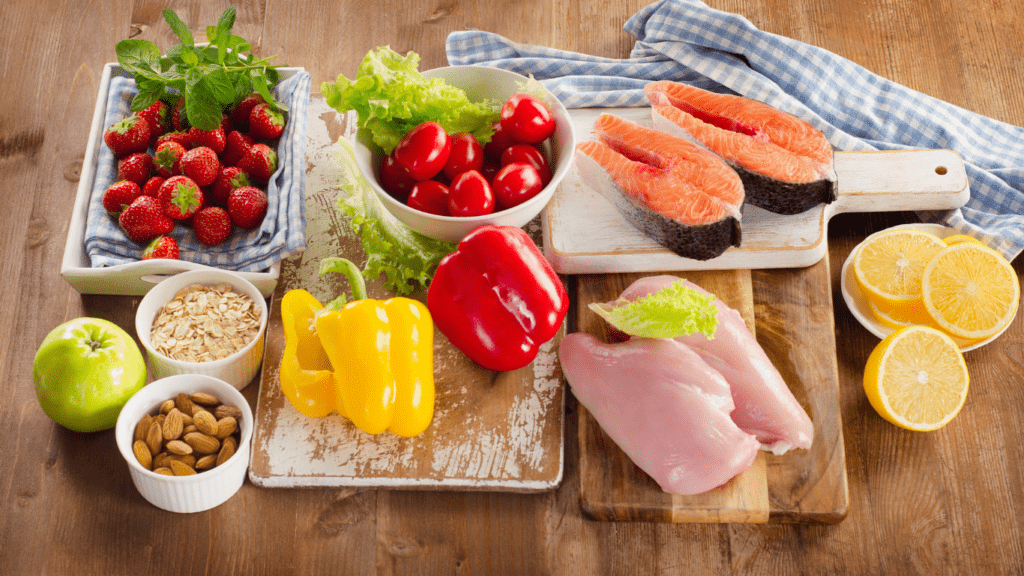
When it’s mealtime, try the plate method. Fill half of your plate with non starchy veggies, a quarter with lean protein, and a quarter with smart carbs like brown rice or sweet potatoes. It’s structured but forgiving and it keeps portions naturally in check.
Not near a plate? Rely on real life visual cues. A deck of cards equals one serving of protein. A cupped hand is about a serving of carbs. Your thumb is a rough guide for healthy fats. Simple, doable, and you’ll remember it after one try.
None of this is guesswork. These tactics are backed by behavioral science and used by dietitians everywhere. For a deeper breakdown on these methods, check out the expert guide here: portion control tips.
Tools and Tricks That Actually Help
Portion control doesn’t have to be guesswork. Simple tools can make it second nature.
Start with a visual or digital food diary. Snapping quick photos or logging meals in an app keeps you honest and builds awareness. It’s not about perfection you’re just giving yourself a better feedback loop.
Next, learn to estimate portions on the fly using your hand. A palm sized amount of protein, a cupped hand of carbs, a thumb of fat it’s not an exact science, but it helps keep things in check when plates are unpredictable.
If you struggle with portion control in the moment, remove the decision altogether. Meal prep once at the start of your week. Pre portion meals in containers so when you’re hungry, the work’s already done. It’s efficient and reduces the mental load.
Lastly, don’t forget hydration and fiber. Water and high fiber foods (think fruits, vegetables, whole grains) help you feel fuller, longer. No calorie math required just solid choices that naturally support appetite control.
Making Portion Control a Lifestyle, Not a Chore
Portion control shouldn’t feel like punishment it should work with your life, not against it. Forget rigid dieting rules. The goal is to bring a sense of balance that fits your routines, activity level, and personal preferences.
Adjust Portions to Match Your Activity
Serving sizes aren’t one size fits all. If you’re more active on a particular day extra walking, a workout, or physically demanding tasks you’ll naturally need more fuel. On lighter days, your body will need less.
Tune in to your energy needs, not calorie charts
Add more whole grains or lean protein when you’re more active
Keep your plate balanced even when portions increase
Crave Something? Don’t Deny It Control It
Cravings are normal. Managing them isn’t about elimination it’s about moderation. The occasional treat can absolutely fit into a controlled eating plan.
Serve chips or sweets in a small bowl instead of eating from the package
Savor indulgences slowly, with full attention
Pair treats with fiber or protein to stay satisfied longer
Aim for Awareness, Not Perfection
You’ll slip up sometimes, and that’s completely okay. What matters most is consistency over time not a flawless record.
Notice habits and patterns, especially around larger portions
Keep a mental (or physical) food log to build awareness
Celebrate small wins like choosing a smaller plate or stopping when full
Remember: portion control is a skill that gets easier the more you practice. With time, it becomes second nature.
Want more real world strategies that work? Check out these expert portion control tips.