
The Big Picture: Sponsorships Rewriting the Game
In 2026, sponsorships evolved from flashy logo placements to full scale, strategic partnerships that reshaped the business of sports. Athletes and teams have moved beyond basic branding deals. They’re now collaborators, equity holders, and co creators playing a direct role in how brands connect with fans. Think athletes helping design product lines, teams launching joint ventures with sponsors, or entire campaigns built around shared values.
The biggest change? The entrance of non endemic brands. Tech, fintech, wellness, EV, even insurance startups industries that used to sit on the sidelines are now driving the huddle. And they’re not just slapping logos on jerseys. They’re building long term plays: funding academies, producing content, developing fan apps. The result isn’t just broader industry influence, but deeper fan engagement. Even creative assets are evolving, with brands experimenting in real time through innovations like the AI generated logo, which allows for dynamic, fan-driven design integration across campaigns.
It’s also a volume game now. The number of activations in 2026 outpaced 2024 by a wide margin. According to market data, there was a 41% increase in cross category sponsorship spending compared to the numbers from 2024’s top deals. And with that surge came smarter, more ROI focused partnerships. The deals getting signed today are about meaning and metrics, not just visibility.
Record Breaking Global Deals
2026 didn’t play it safe and the numbers back it up.
In football, clubs secured some of the flashiest deals to date. Manchester United’s multi year kit deal with a South Korean tech giant pushed past $150 million, while Barcelona doubled down on digital with a front of jersey partnership involving a leading crypto wallet sparking debate, but not slowing cash flow. Kit deals are no longer just about visibility; they’re anchoring global expansion plans and helping clubs establish digital revenue streams.
The Olympics saw a new tier of partnership muscle. Paris 2024 set the bar, but 2026 went all in with sustainability focused brands locking co branded legacy projects into future Games. A spotlight was thrown on regional sponsors this time too, with African fintech and Southeast Asian mobility companies staking serious claims on global storytelling platforms.
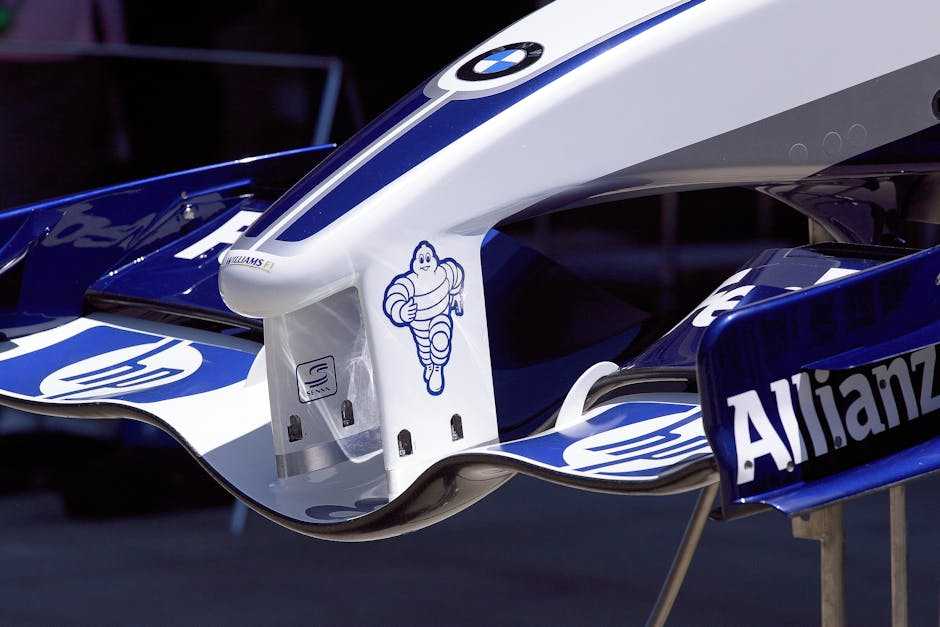
Then there’s the NBA and F1 two leagues continuing their push beyond traditional borders. The NBA’s latest deal in India exceeding $100 million reflects global appetite for hoops combined with local marketing agility. Meanwhile, F1’s title sponsorship with an Asian EV brand marked the first time a sustainability focused tech company frontlined the sport’s massive commercial push.
Stack all this against 2024’s lineup, and it’s clear: 2026 didn’t just match the market it redefined the scale. The focus isn’t just money anymore. It’s values, innovation, and reach. The world’s watching, and brands know it.
Standout Athlete Endorsements

2026 saw rising athletes cashing checks with commas most of us will never see. Breakout names across football, tennis, and track locked in 8 figure endorsements, often not with legacy sports brands but with fashion labels, fintech startups, and wellness companies trying to tap into the young, global audience these athletes move at scale.
The era of sports stars as one dimensional endorsers is done. They’re walking, talking ecosystems now. Their Instagram grids are as closely watched as their performance stats. When an emerging tennis player shows up courtside in designer streetwear and posts a skincare routine the next day, it’s not just lifestyle content it’s part of a calibrated sponsorship engine.
Authenticity is the edge. Brands that partner with athletes for who they are not just what they do are winning. Fans can sniff out a forced ad from a mile away. But when the story fits say, a sprinter raised on plant based diets partnering with a clean supplement brand it feels organic, and the return on that investment follows.
These aren’t just deals they’re narratives. And in 2026, the best paid athletes weren’t just performing on the field. They were selling themselves, wisely, off it too.
Emerging Markets, Bold Moves
In 2026, two regions forced their way into the global sponsorship conversation: the Middle East and Southeast Asia. No longer just hosting events or investing in existing leagues, they’re building their own sports ecosystems. Saudi Arabia and the UAE continued pouring capital into everything from football to motorsports, while Singapore, Vietnam, and Indonesia saw local leagues grow faster than ever drawing fresh interest from global media and talent.
The big shift? A new wave of sponsors. Fintech apps, AI startups, and clean energy firms used sports as a launchpad. These aren’t legacy brands playing it safe. They’re young, aggressive, and looking for attention. They want visibility in regions buzzing with digital natives and sports is still the best billboard with a heartbeat.
What sealed the deal for many of these markets was the international attention their homegrown leagues started to gather partly fueled by smart streaming partnerships and social driven broadcasting. In short, they’re not just participating. They’re pushing the pace.
The Real Value Behind the Numbers
Big sponsorships used to be all about eyeballs how many people saw the logo, the jersey, the courtside banner. But in 2026, brands are more interested in impact than impressions. Visibility alone doesn’t cut it. Now it’s about how a partnership moves the needle: real engagement, measurable actions, and deeper fan alignment.
Sponsors aren’t just cutting checks for exposure. They’re demanding data. Contracts increasingly include performance based triggers think bonus payouts tied to click throughs, social shares, or in app sales. It’s not just about slapping a brand name on the back of a jersey and calling it a day. It’s closer to a business partnership than an ad buy now.
To measure long term impact, brands are tracking audience sentiment, repeated touchpoints, and post campaign momentum. They want to know not only who saw a sponsorship but who remembered it, trusted it, and acted on it. The partnerships that win are the ones that fit seamlessly into the fan experience while still hitting the brand’s bottom line. Functional storytelling, community relevance, and some seriously sharp KPIs are now the name of the game.
The New Rules of the Sponsorship Game
In 2026, sponsors didn’t just bet on athletic talent they bet on values. Environmental, Social, and Governance (ESG) alignment went from nice to have to non negotiable. Brands were forced to think twice about who they attached their name to, and athletes faced sharper scrutiny over what they stood for beyond the scoreboard. If a sports figure didn’t walk the talk or worse, ignored the talk altogether partnerships were short lived.
At the same time, the rise of the creator athlete changed the shape of deals. No longer just endorsers, many top athletes acted as their own media platforms. They produced, distributed, and monetized directly. This flattened the old model. Brand deals got leaner, more collaborative, and often skipped traditional middlemen. The personal brand became the product, and athletes with a direct line to niche, loyal audiences held the cards.
Looking back, 2026 was the year sponsorship stopped being transactional. It became strategic, with an eye on long term cultural relevance. Going forward, expect more custom partnerships, purpose driven storytelling, and athletes who act more like founders than spokespeople.